
Your Zestimate Doesn’t Know Your House
A Zestimate can be a useful starting point for understanding a home’s value, but it is not a substitute for a professional market analysis. Automated estimates can use property data and recent sales. Still, they may not fully account for condition, renovations, location within a neighborhood, current competition, or how buyers are responding to similar homes.
I understand why homeowners check Zillow or another online home value estimator. If you’re curious about what your home might be worth, it’s an easy place to start. Type in an address, and within seconds, you have a number.
That number can be useful. It just can’t tell you everything.
According to Zillow’s explanation of the Zestimate, the estimate draws on public records, MLS data, home characteristics, market trends, and other available information to estimate a home’s market value. It can be a useful starting point, but Zillow also notes that a Zestimate is not an appraisal.
It can see square footage, bedrooms, bathrooms, lot size, and other property details. What it can’t always see is the difference between two homes that look almost identical on paper but feel very different when you walk through the front door.
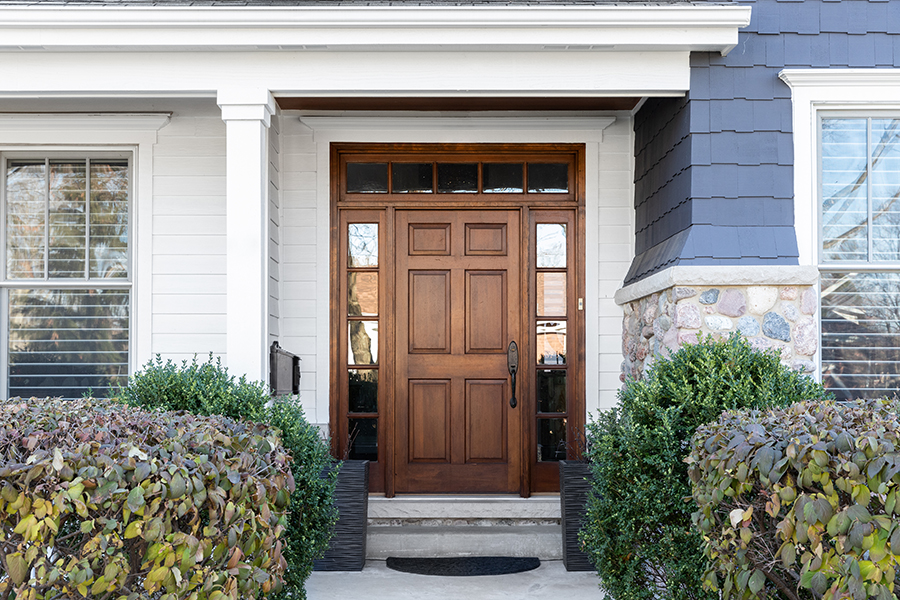
And when buyers are deciding what they’re willing to pay, those differences matter.
How Accurate Is a Zestimate?
A Zestimate can give you a general idea of your home’s value, but I wouldn’t treat it as the final word, especially if you’re considering selling.
The reason is fairly simple: an automated estimate only knows what the data tells it.
Maybe you renovated your kitchen five years ago. Maybe you replaced the roof, updated the HVAC system, added a screened porch, or have spent years maintaining a home that is genuinely move-in ready. Those improvements may not be fully reflected in the information available online.
The opposite can also be true. Two homes may have similar square footage and the same number of bedrooms and bathrooms, but one may need substantial updating while the other has already had the work done.
Buyers notice that distinction very quickly.
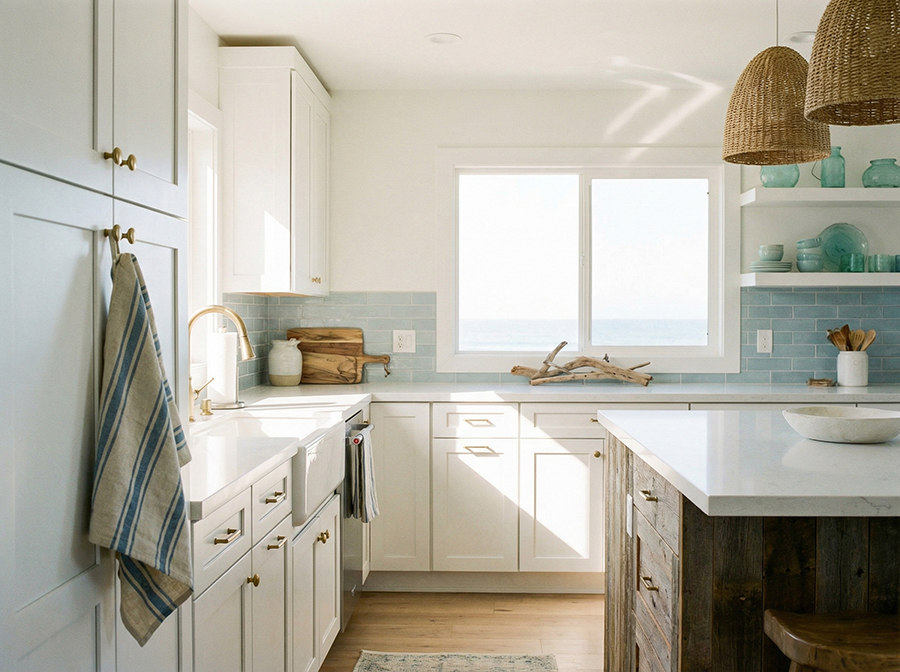
Less obvious differences exist, too. A home may get beautiful natural light throughout the day. The floor plan may simply work better. One backyard may feel remarkably private, while another backs to a busy road. A property at the end of a quiet street may appeal differently from one near the entrance to the neighborhood.
None of those things is easy to reduce to a data point.
Location Gets More Specific Than a ZIP Code
We talk about location all the time in real estate, but location is more nuanced than the city, ZIP code, or even neighborhood name attached to a property.
Two homes in the same community can have different values because of where they sit within that community. One may back to woods or open space. Another may have a water view. One may be tucked onto a quieter street, while another has more traffic passing by.
In Delaware’s beach communities, the distinctions become even more specific. Proximity to the ocean or bay, views, flood considerations, parking, community amenities, rental history, and even where a property is situated within a development can change the value conversation considerably.
Someone looking at a second home in Rehoboth Beach or Lewes may also be weighing things that have very little to do with square footage. How easy is it to get to the beach? Can they walk or bike into town? How much maintenance will the property require when they aren’t there? Does the community have amenities they’ll actually use?
Those factors shape how people experience a home and, ultimately, how they value it.
What Factors Affect a Home’s Value Beyond a Zestimate?
Comparable sales are an important part of determining a home’s value. I look at them closely.
But I’m not just looking backward.
When I evaluate a property, I also want to understand what buyers are doing right now. Which homes are they choosing? Which ones are sitting? Are sellers reducing prices? Are homes in excellent condition attracting stronger interest? Are buyers willing to take on renovations, or are they gravitating toward homes that require less work?
That tells us something a sale from six months ago can’t tell us on its own.
Current listings matter because they represent the choices buyers have today. Pending sales give us another clue about where the market is moving. Days on market, price changes, and the difference between asking and sale prices all help build a clearer picture.
The market is constantly giving us information. Part of my job is to interpret what that information means for one particular home.
There Isn’t One Delaware Real Estate Market
One reason local knowledge matters so much is that Delaware isn’t one uniform real estate market.
What is happening in Newark may look quite different from what is happening in Lewes. A home in Hockessin may be competing for a different buyer than a property in Bethany Beach. Even communities that are only a few miles apart can have different inventory, buyer demand, price points, and expectations.
That matters when we choose comparable properties.
The closest recent sale is not automatically the best comparison. What I really want to know is which homes a buyer would consider alongside yours if both were available today.
Sometimes that means looking right around the corner. Other times it means looking at another nearby community that offers a similar home, setting, price point, or way of living.
That is why determining market value requires more than pulling a handful of nearby sales.
How Is a Professional Home Valuation Different?
When I prepare a market analysis, I’m starting with data, too. The difference is that I can put that data into context.
I can assess the home’s condition. I can look at the updates and determine how they compare with what buyers are seeing elsewhere. I can consider the lot, the floor plan, the community, the location within the neighborhood, and the competition currently on the market.
Then I can review comparable sales and ask why they sold for what they did.
If one home sold for considerably more than another, there is usually a reason. It may have been beautifully updated. It may have had a better lot or setting. It may have been priced well from the beginning. Or perhaps the lower-priced sale had condition issues that made buyers more cautious.
The numbers matter, but understanding the story behind those numbers matters, too.
That is where pricing becomes less about a formula and more about judgment.
What If Your Zestimate Seems Too High or Too Low?
If the number you see online is very different from what you expected, I wouldn’t assume immediately that either you or the Zestimate is wrong.
I’d start by looking at the underlying information. Is the square footage correct? Does the record accurately reflect the number of bedrooms and bathrooms? Have significant improvements been captured? Are the homes being used as comparisons actually similar to yours?
Then I’d look at what is happening in your local market.
This becomes especially important if you are making a decision based on the property’s value. Maybe you’re thinking about selling in the next year. Maybe you’re weighing whether to make a major improvement before you sell. Maybe you’re simply trying to understand how much equity you have built.
In those situations, a general estimate is useful, but a more thoughtful look at the property and the market will give you better information to work with.
Think of Your Zestimate as a Starting Point
I’m not anti-Zestimate. I check online real estate information, too, and I understand why homeowners find these tools useful.
I think they work best as a starting point, not an answer.
Your home has a condition, setting, history, and place in its local market that a number on a screen cannot fully convey. Buyers will experience the home as a whole, not as a collection of data fields, and that experience influences what they are willing to pay.
If you’ve been checking your home’s online value and wondering how close it is to what the current market might actually support, I’m always happy to take a closer look with you. We can review recent sales, the homes currently competing for buyers, and the details that make your property different.
That usually gives you a much more useful number to work with.
Warmly,

Frequently Asked Questions
Is a Zestimate the same as an appraisal?
No. Zillow itself states that a Zestimate is not an appraisal. It is an automated estimate of a home’s market value.
Can renovations affect a Zestimate?
They can, but only if the information about those improvements is reflected in the data available to the model.
Should I use a Zestimate to price my home?
It can be a reference point, but pricing should also consider condition, comparable sales, current competition, buyer behavior, and local market conditions.
Categories
Recent Posts










"My job is to find and attract mastery-based agents to the office, protect the culture, and make sure everyone is happy! "