
Old Roots, New Growth
How Delaware’s neighborhoods change from northern New Castle County to the beaches
Delaware is a small state, but the housing choices can look very different depending on where you are.
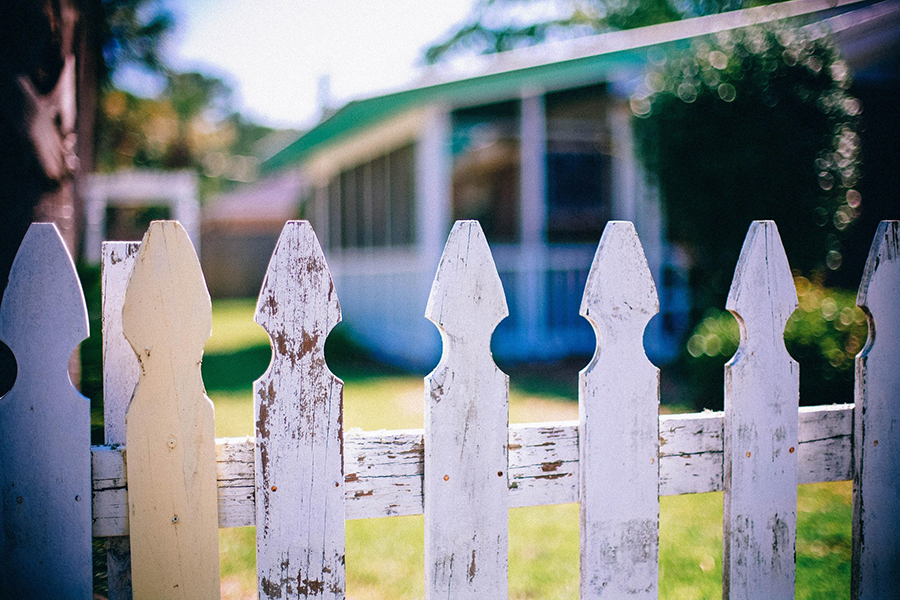
In northern New Castle County, buyers are more likely to find established neighborhoods that have been part of the landscape for decades. New construction exists, but it tends to appear in smaller pockets, infill projects, or redevelopment rather than large new communities.
That begins to change as you move toward Middletown, Townsend, and below the C&D Canal, where newer development is much more common. New Castle County planning documents show that residential growth has been especially pronounced around Middletown, Odessa, and Townsend, with suburban development expanding across southern New Castle County and toward the C&D Canal.
Farther south, especially in Sussex County, newer construction makes up an even larger share of the housing landscape. In 2024, Sussex County accounted for 5,080 of Delaware’s 7,927 permitted residential units, or about 64% of the statewide total.
So the choice between an established neighborhood and a newer community is not simply about whether you prefer an older or newer house. In Delaware, it often comes down to where you want to live and the kind of community around you.
In Northern Delaware, Established Neighborhoods Are the Norm
In Hockessin, Pike Creek, North Wilmington, Newark, and many other parts of northern New Castle County, buyers are often looking at neighborhoods that have had decades to mature.
The trees are established, the landscaping has filled in, and the surrounding roads, shopping areas, parks, and services are already in place. Homes may have been built in very different decades, and their condition can vary considerably depending on how they have been maintained or updated.
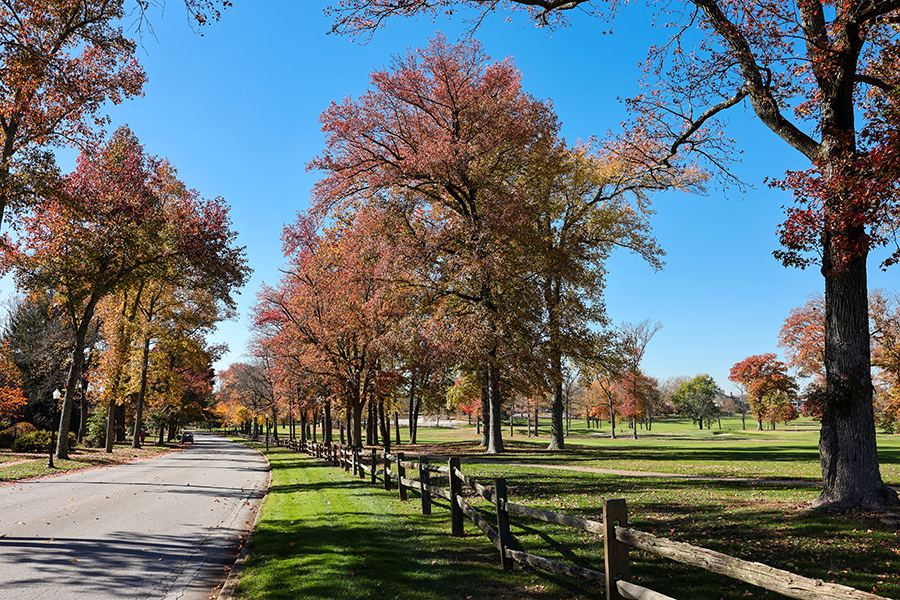
That can be part of the appeal. Buyers can usually get a good sense of what the neighborhood is today because much of its character is already in place.
The tradeoff is that the house itself may require more evaluation. An older property may have systems or finishes that are farther along in their useful life, while another home on the same street may already have been extensively updated.
Older does not automatically mean more work. It simply means the condition of the individual property matters.
Newer Communities Become More Common as You Move South
Around Middletown and Townsend, buyers are more likely to encounter planned communities and homes built within the past couple of decades. The difference becomes even more pronounced in Sussex County, where residential development continues to account for a substantial share of new construction statewide. Delaware’s Office of State Planning Coordination tracks these trends annually through its building permit and development application data.
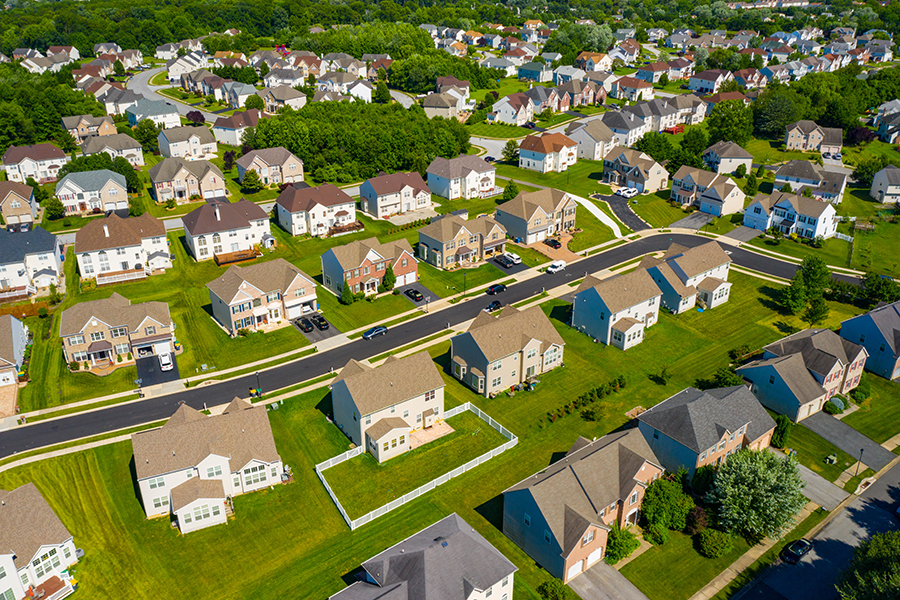
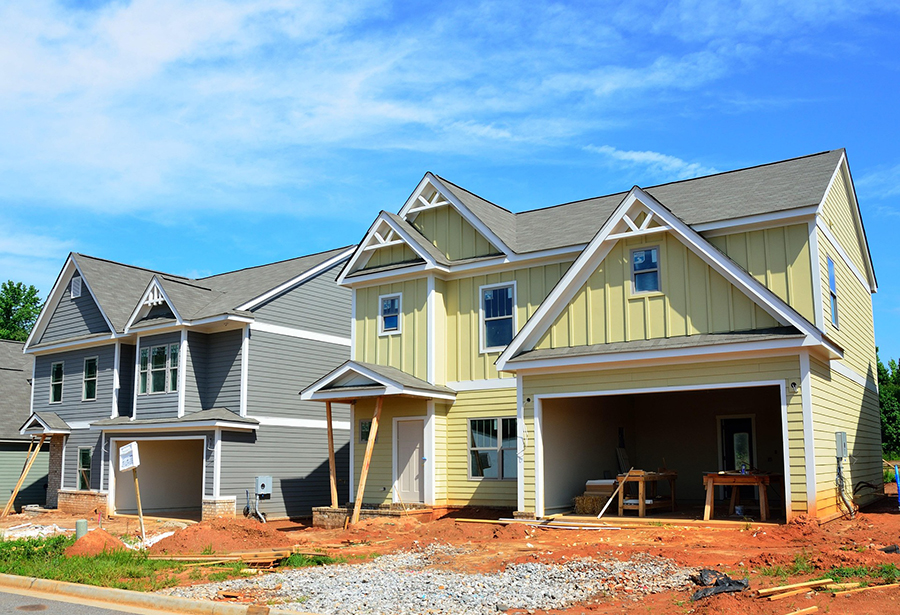
Newer communities may offer floor plans designed around current preferences: larger kitchens, open gathering spaces, better storage, larger primary suites, attached garages, and newer major systems.
They may also include amenities such as pools, clubhouses, walking trails, fitness centers, or shared open space.
But newer does not necessarily mean simpler. Buyers should also consider homeowners association fees, community rules, future phases of development, and the possibility that nearby roads, retail, and services may still be changing as the area grows.
The Tradeoffs Are About More Than the Age of the House
An established neighborhood may offer mature trees, larger lots, and a streetscape that has developed over time. A newer community may offer contemporary layouts, newer systems, and amenities built in from the start.
Neither is inherently better.
An older home may have the larger yard you want but a smaller kitchen. A newer home may have more storage and a larger primary suite but sit on a smaller lot. An established neighborhood may have no private amenities but be close to parks, restaurants, libraries, and other places you already use.
The more useful question is not, “Which type of neighborhood is better?”
It is, “Which set of tradeoffs fits the way I want to live?”
Look at the Community, Not Just the House
One advantage of an established neighborhood is that you can see much of what you are buying into. The trees, nearby homes, traffic patterns, and surrounding development are already there.
In a newer community, some of that picture may still be taking shape. Future development may bring more shopping, restaurants, services, or recreation. It may also mean ongoing construction or changing traffic patterns.
That is especially worth considering in Delaware’s faster-growing areas.

Before buying, it helps to look beyond the property itself and understand what is already around it, what may still be planned, and how that could affect everyday life.
The Better Choice Is the One That Fits
Some buyers immediately feel at home on a tree-lined street in an established neighborhood. Others want newer systems, contemporary layouts, and community amenities.
Delaware offers both, but not in equal measure everywhere.
Understanding how the housing landscape changes across the state can help you narrow your search and focus on the communities that fit how you want to live.
Categories
Recent Posts










"My job is to find and attract mastery-based agents to the office, protect the culture, and make sure everyone is happy! "