
What Should You Fix Before Selling Your Home?
If you're thinking about selling your home in the next few months, you may already have a list of things you'd like to get done. Maybe the kitchen feels dated, the walls could use fresh paint, or you've been putting off a few repairs. It's natural to want your home to look its best before buyers see it.
But before you start spending money, I'd encourage you to think about what those projects will accomplish.
The goal isn't to make your home look brand new. It's to help buyers see its value, feel comfortable with its condition, and understand what they're getting for the price. Sometimes that calls for an improvement. Other times, it's better to keep the money in your pocket.
Start with the things buyers may worry about
When I walk through a home with someone preparing to sell, I pay close attention to what could make a buyer hesitate. A roof nearing the end of its useful life, signs of water damage, an aging HVAC system, or unfinished repairs can raise questions about what else might need attention.

That doesn't automatically mean you should replace every older system or fix every imperfection before listing. The home's age and condition, the likely cost of the work, and how comparable properties are selling all factor into the decision. Sometimes it makes sense to complete a repair.
Sometimes it's better to price the home with its condition in mind and be prepared to discuss it with buyers.
What matters is making that decision deliberately, rather than waiting for an inspection or a buyer's reaction to force the conversation.
A little preparation can go a long way
Not every worthwhile improvement involves a contractor or a major expense. Fresh paint, repaired trim, clean windows, tidy landscaping, and a thorough cleaning can change the way a home feels when someone walks through it.
These projects are easy to underestimate because they don't add square footage or introduce a new feature. They can help buyers focus on the home itself instead of a collection of small things they'll need to address after moving in.

Painting is a good example. If a room has scuffed walls or a color that makes the space feel dark, a fresh coat may be worthwhile. That doesn't mean every room needs a different shade of white before you sell. I would rather see homeowners spend thoughtfully on the areas that need attention than take on work simply because they think it's expected.
The National Association of REALTORS®' 2025 Remodeling Impact Report supports that practical approach. Painting, whether throughout the home or in a single room, was among the projects real estate professionals most frequently recommended to sellers. The report also identified roofing as an important consideration when replacement is needed.
Think carefully before renovating the kitchen or bathroom
Kitchens and bathrooms often top a seller's project list. They're important rooms, and buyers certainly notice their condition. But a full renovation can be expensive, and there's no guarantee that a buyer will value your choices as much as you do.
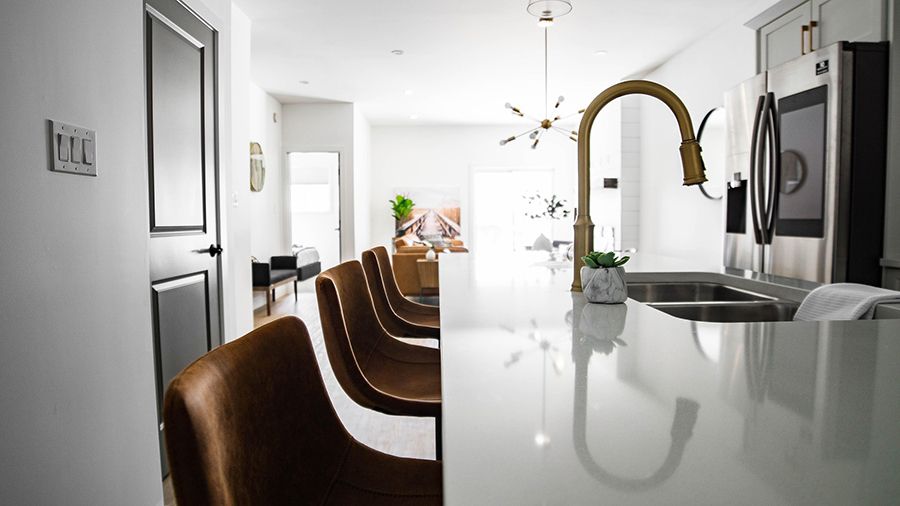
Before replacing cabinets, countertops, tile, or fixtures, I'd look at what buyers expect in your price range and neighborhood. If your kitchen is functional and well maintained, a few targeted updates may be enough. If it shows significant wear or is noticeably out of step with comparable homes, a larger project may be worth considering.
Timing also matters. Renovations often take longer than expected, especially when materials, contractors, or unexpected repairs are involved. If you hope to list in a few months, we need to weigh the potential benefit against the cost and the time it will take to get the work done.
And remember that you won't necessarily recover every dollar you spend. The 2025 Remodeling Impact Report estimated that both minor kitchen upgrades and complete kitchen renovations recovered about 60% of their cost at resale nationally. That's a useful reminder that an improvement you would enjoy while living in your home isn't always an investment you should make solely to sell it.
What makes sense for your home may not make sense for your neighbor's
This is where local knowledge matters most.
A homeowner preparing to sell in an established Hockessin neighborhood may consider different improvements than someone selling a newer home in Middletown. At the beach, buyers may pay particular attention to outdoor living areas, maintenance needs, community amenities, or how a property has been used as a second home.
Even within the same neighborhood, two homes may need different preparation. One may benefit from updated finishes, while another simply needs repairs and a little attention to presentation.
I also look at the homes a buyer is likely to consider alongside yours. If comparable properties are updated and move-in ready, that affects how we think about your home's condition and price. If buyers in your market are comfortable taking on improvements, a major renovation may be less necessary.
The point isn't to follow a universal list of projects. It's to understand what buyers are likely to notice and how your home compares with the choices available to them.
Planning to sell next spring? Have this conversation now.
If you're considering a move in the spring, fall is a good time to start preparing. You can get estimates, schedule contractors if needed, and make decisions without trying to complete everything just before your home goes on the market.
It's also an opportunity to separate the work that needs to happen from the projects you've simply been meaning to do. You may find that your list gets shorter once we look at it through a buyer's eyes.
I don't expect homeowners to have a perfect house before they call me. In fact, I'd much rather walk through a home while there's still time to make decisions together.
If you're thinking about selling, let's take a look before you start that next project. We can talk about your plans, review what's happening in your local market, and decide which improvements are worth your time and money.

Categories
Recent Posts










"My job is to find and attract mastery-based agents to the office, protect the culture, and make sure everyone is happy! "